Dale Bard
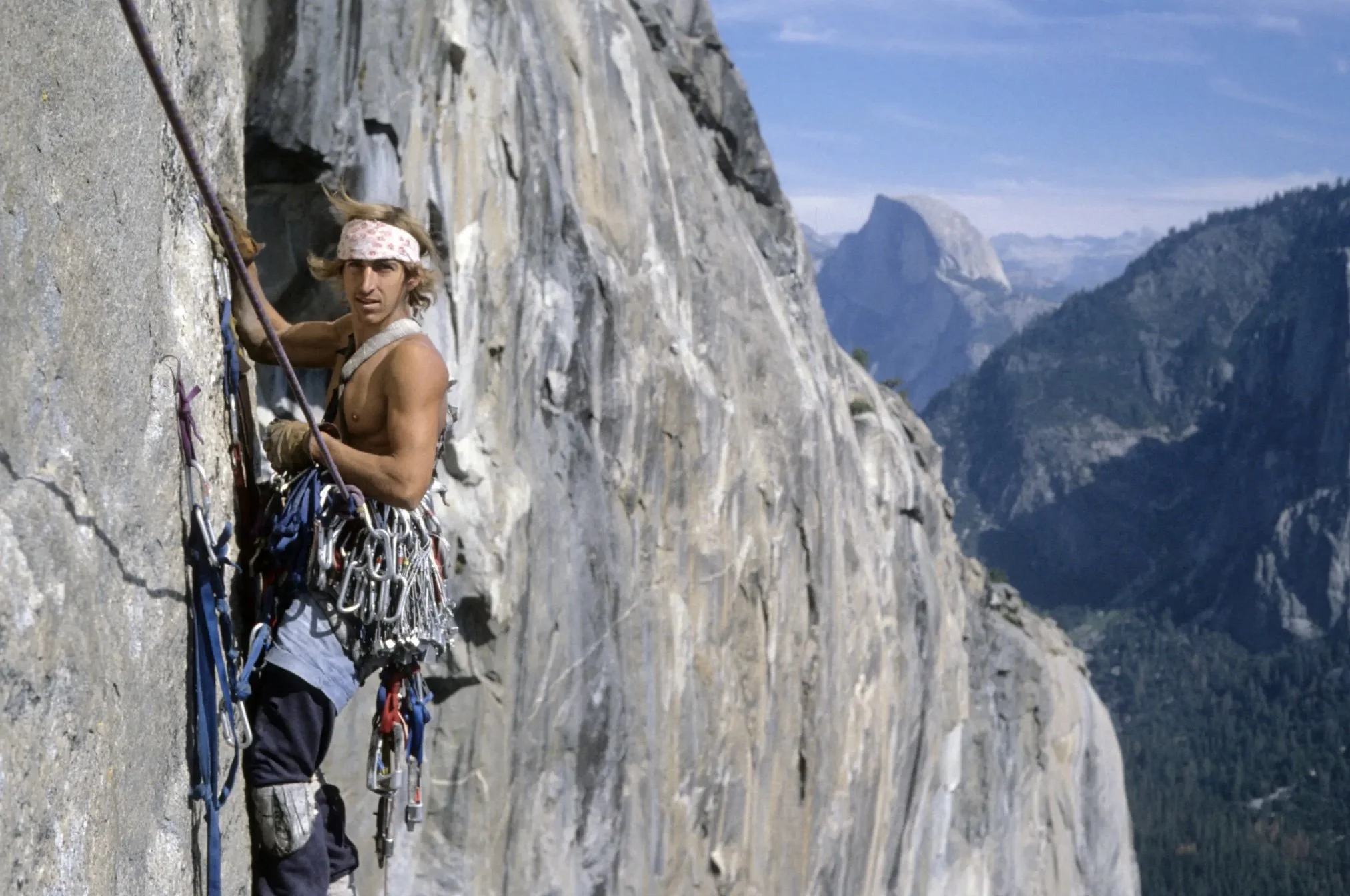
Dale Bard, Stone Master
Dale Bard first rappelled at the age of 14 through the Southern California Falconry Club. That sparked a life-long love of climbing.
He became one of Yosemite’s pioneering rock climbers, known for pushing the boundaries of free climbing and for big wall climbing in the 1970s and ‘80s. He was a key figure of Yosemite’s "Stone Master" era, established numerous first ascents and is remembered for his skill, minimalist lifestyle and mentorship of other climbers.
So committed to climbing was Bard, that he lived for an entire Yosemite season on fifteen borrowed dollars, demonstrating that a “simple climbing life was possible.” Many of Yosemite’s climbing pioneers lived seasonally as one of Camp 4’s ”dirtbag climbers” (individuals who lived out of their cars and tents in order to climb as much as possible, as described in Wikipedia).
While he did not promote himself, Dale was a kind and welcome ambassador to the outdoors. At Camp 4, he met with uncounted numbers of the millions of visitors to Yosemite, sharing his love of climbing and inspiring thousands to enjoy the outdoors. From across America, many children, for instance, invested their time at local climbing gyms, trying to be “just like Dale.”
Climbers talk often of “standing on the shoulders of giants.” In Yosemite and beyond, Dale Bard was one of those giants—not always the loudest voice, but one whose presence, style, and determination helped shape a generation. He is remembered as one of America’s greatest climbers, so highly respected among climbers that they called him “The Crack Master.”
Climbing achievements
A pioneer in free climbing. Dale was instrumental in shifting Yosemite's focus toward this style. He established many difficult free and aid routes, including the first ascent of Blind Faith, On the Rostrum, was part of the first ascents of significant big walls such as Sea of Dreams, Bushido and Sunkist, and established classic bouldering problems like High Plains Drifter. With Dave Diegelman and Jim Bridwell, he led the ascent of Sea of Dreams on El Capitan, considered to be the hardest-ever aided route (27 pitches, 39 drilled holes). His early efforts helped “free the Nose on El Cap,” before such an idea seemed possible.
Epic expedition
Dale embodied endurance and grit. In 1976, he and Nadim Melkonian completed the first 250-mile Sierra Crest traverse in mid-winter, enduring 44 days in which they faced storms, avalanches, and near starvation, but pushed through with sheer resolve.
Closing the gap
Bard was closely tied to the Stone Master era, bridging the gap between free climbing progress and big-wall boldness. He even appeared in the iconic film Moving Over Stone, capturing the spirit of that time.
"Dirtbag" ethos
Bard embodied the "dirtbag" climbing lifestyle, living simply and often in a tent. He was known for surviving off very little money. This commitment to living on his own terms made him an inspiration to many, especially those he met and inspired at Camp 4. To fellow climbers, the term “dirtbag” was not pejorative, but inspirational, describing someone who would sacrifice personal comfort and a career for his sport. It became akin to monastic mountaineering.
Mentorship
Dale was a significant mentor to many younger climbers, including legendary climber Randy Leavitt who credited Bard with providing a turning point in his own career. Climbers remember him for setting a high bar as a partner and for his calm, supportive nature.
Later life
Dale Bard continued to be involved in the climbing community throughout his life, even after he moved away from Yosemite.
He lost his battle to cancer at age 71, on October 1, 2025, in a Moab hospital, yet his name is invisibly etched along the climbing routes he pioneered on the big walls of California’s Yosemite National Park.
Block and Tackle, First Ascent https://www.youtube.com/watch?v=2YncbLeXjD8
Original Stone Master - The Crack Master https://www.youtube.com/watch?v=xquzLfQ4Cio&t=375s